Centre Launches National Clean Air Acceleration Plan 2026
Major Push to Reduce Urban Pollution Levels by 40% in 100 Cities by 2030


New Delhi, February 28, 2026:
In a decisive move to tackle rising air pollution levels, the Government of India on Saturday announced the rollout of the National Clean Air Acceleration Plan 2026, an expanded strategy aimed at significantly reducing particulate matter pollution across 100 non-attainment cities over the next four years.
The Ministry of Environment, Forest and Climate Change stated that the upgraded framework builds upon earlier clean air programmes but introduces stricter monitoring, higher funding allocations, and performance-linked incentives for states. The Centre has allocated ₹38,000 crore for implementation between 2026 and 2030.Under the new plan, metro cities including Delhi, Mumbai, Kolkata, Chennai, and Lucknow will receive dedicated grants to expand electric public transport fleets, strengthen vehicle emission testing systems, and deploy advanced air-quality monitoring stations. Tier-2 cities will also receive funds to improve waste management and control construction dust.
Officials confirmed that real-time pollution dashboards will be made publicly accessible, allowing citizens to track air quality ward by ward. Municipal corporations failing to meet yearly reduction targets may face cuts in central assistance, while high-performing cities will receive additional green infrastructure funds.
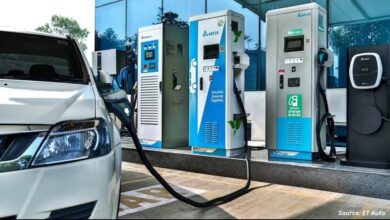
A major highlight of the programme is the promotion of electric buses and last-mile connectivity solutions. The government aims to replace nearly 25% of diesel-powered city buses with electric alternatives by 2028. Additionally, incentives for rooftop solar adoption and cleaner industrial fuels have been expanded.
Environmental experts have welcomed the policy’s sharper accountability measures. They emphasized that air pollution contributes to significant health burdens, including respiratory illnesses and cardiovascular conditions, particularly in densely populated urban regions.
The plan also includes a nationwide plantation drive, targeting the creation of 500 urban green corridors to improve air filtration and reduce heat island effects. Schools will participate through eco-clubs designed to spread awareness among students.
Implementation guidelines have been circulated to states, and the first progress review meeting is scheduled for June 2026. Authorities expressed confidence that coordinated action between central, state, and local bodies will help India move closer to global air quality standards.