

Malicious APK Bank Fraud: HDFC Bank Issues An Immediate Warning
Customers who download unauthorized APK files run the risk of having their financial and personal information compromised, according to a critical security advisory released by HDFC Bank.

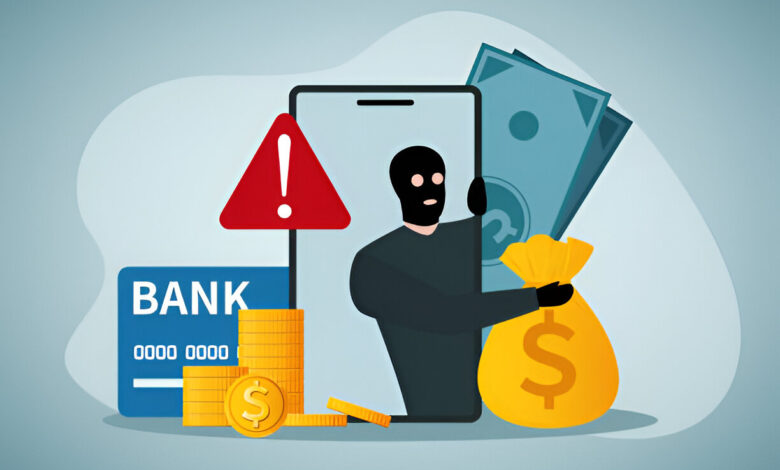
Customers who download unauthorized APK files run the risk of having their financial and personal information compromised, according to a critical security advisory released by HDFC Bank. The warning coincides with an increase in the number of fraudulent Android Package Kit (APK) files being distributed by cybercriminals posing as legitimate bank applications or customer support resources.
The bank’s official statement claims that these malicious APKs are distributed through social messaging apps like WhatsApp, email, and SMS. Once installed, the malware found in these apps can give hackers remote access to the victim’s device, enabling them to steal one-time passwords (OTPs), login credentials, and even start illegal transactions.
HDFC made it clear that it never provides users with APK links and advised them to only download mobile banking apps from reliable sources like the Apple App Store or Google Play Store. Customers were also cautioned by the bank not to click on links from senders they don’t know and to report any suspicious communications right away.
Such attacks, according to cybersecurity experts, are a component of a larger phishing strategy aimed at India’s expanding number of digital banking users. In order to make it difficult for unwary users to tell the fake apps from the real ones, the scammers usually make lookalike apps with official logos and interfaces.
Within minutes of installing the fraudulent app, victims in certain cases claimed to have lost access to their bank accounts, causing them to suffer significant financial losses. As a result of numerous complaints, banks and cybersecurity cells are working together to identify the origin of these scams.
HDFC Bank stressed the value of strong password hygiene, frequent device updates, and two-factor authentication. Consumers are urged to use the official RBI ombudsman portal or the cybercrime helpline to report fraud.