
India Launches ‘Green Transport Mission 2030’ to Accelerate Electric Mobility
Nationwide push aims to expand EV infrastructure, create jobs, and cut urban pollution


New Delhi
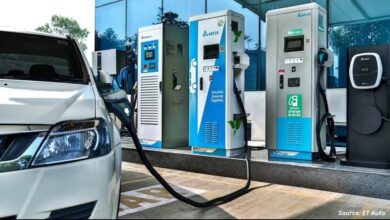
In a major step toward sustainable development, the Government of India on Thursday unveiled the ambitious Green Transport Mission 2030, a comprehensive national plan designed to accelerate the adoption of electric vehicles (EVs) and reduce dependence on fossil fuels. The initiative focuses on expanding EV charging infrastructure, supporting domestic manufacturing, and encouraging citizens to shift to cleaner modes of transport.
Announcing the mission in the capital, senior government officials said the program aims to install over 500,000 public charging stations across highways, metro cities, and tier-2 towns over the next four years. Special incentives will be provided to state governments that demonstrate rapid implementation and higher EV adoption rates.
The mission also outlines financial support for electric buses in public transport systems. Nearly 20,000 new e-buses are expected to be deployed in major cities by 2028, replacing older diesel fleets. Officials stated that this move alone could significantly reduce urban air pollution levels and lower fuel import costs.
To boost domestic industry, the government plans to extend production-linked incentives (PLI) for battery manufacturing and EV components. Startups working on battery recycling and green mobility solutions will receive additional funding and tax benefits. Industry leaders have welcomed the move, describing it as a “game-changer” for India’s clean energy transition.
Experts believe the mission could create more than one million direct and indirect jobs in the next five years. From charging infrastructure development to vehicle manufacturing and maintenance services, the green mobility ecosystem is expected to generate widespread employment opportunities.
Environmental groups have praised the initiative but emphasized the need for renewable energy integration to power charging stations sustainably. “Electric mobility must be backed by clean electricity to maximize environmental benefits,” said a climate policy analyst.
With rising fuel prices and increasing awareness about climate change, the Green Transport Mission 2030 is being seen as a timely intervention. The government has reiterated its commitment to achieving net-zero emissions by 2070 and positioning India as a global leader in sustainable innovation.
The coming months will be crucial as states roll out implementation plans and industry stakeholders align with the national roadmap.