

UN Climate Summit 2026 Opens with Historic Renewable Energy Pledge
World leaders commit to accelerating clean energy transition amid rising global temperatures

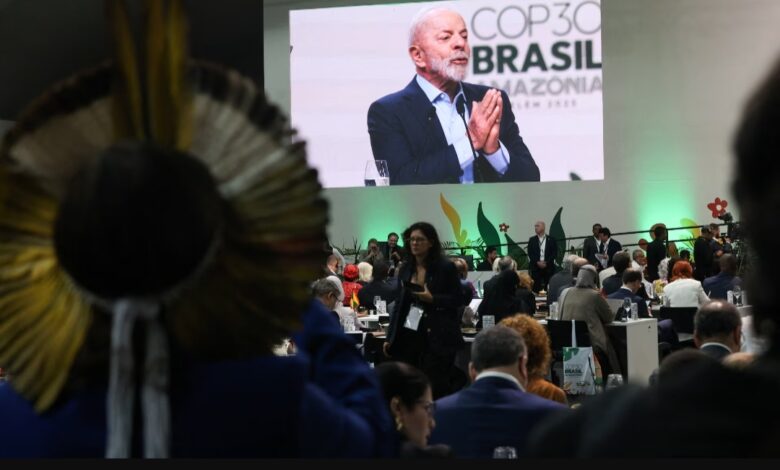
17 February 2026 | International News
The 2026 United Nations Climate Summit commenced today at the headquarters of the United Nations, bringing together leaders, scientists, and environmental activists from more than 120 countries. The high-level gathering opened with renewed urgency as recent climate reports confirmed that 2025 was among the hottest years ever recorded globally.
In a landmark development on the first day, participating nations endorsed a joint declaration aimed at tripling global renewable energy capacity by 2035. The pledge focuses on expanding solar, wind, and green hydrogen projects while gradually reducing dependence on coal and other fossil fuels. Several major economies announced increased funding for climate adaptation programs in vulnerable island and coastal nations.
The summit’s opening session emphasized the economic opportunities tied to clean energy investments. According to policy briefs presented during the conference, renewable infrastructure projects could generate millions of new jobs worldwide while stabilizing long-term energy prices. Leaders from Europe, Asia, and Africa highlighted cross-border partnerships designed to share technology and expertise.
Small island states, often at the frontline of rising sea levels, urged developed nations to accelerate climate finance commitments. Representatives from Pacific nations warned that without rapid intervention, entire communities could face displacement within the next two decades. The issue of “loss and damage” funding once again took center stage, with negotiators pushing for clearer timelines and accountability measures.
Environmental advocacy groups staged peaceful demonstrations outside the summit venue, calling for stronger legally binding targets instead of voluntary pledges. Activists argued that while renewable energy expansion is crucial, governments must also phase out fossil fuel subsidies and strengthen environmental regulations. Experts note that geopolitical tensions and energy security concerns have complicated climate diplomacy in recent years. However, analysts suggest that the shared threat of extreme weather events — from prolonged droughts to devastating floods — has renewed global cooperation.
The summit is expected to continue through the week, with working groups finalizing detailed implementation frameworks. Observers say the success of the agreement will depend largely on transparent monitoring systems and sustained political will.
As discussions proceed, the world watches closely to see whether the commitments made in 2026 will translate into meaningful action in the years ahead.