

RBI Cuts Repo Rate By 25 bps To 5.25%, Making Borrowing Cheaper
This rate cut is likely to ease EMIs, boost economic momentum at a time when inflation has reached historic lows, and the rupee is still weak

Understanding the Rate Revision
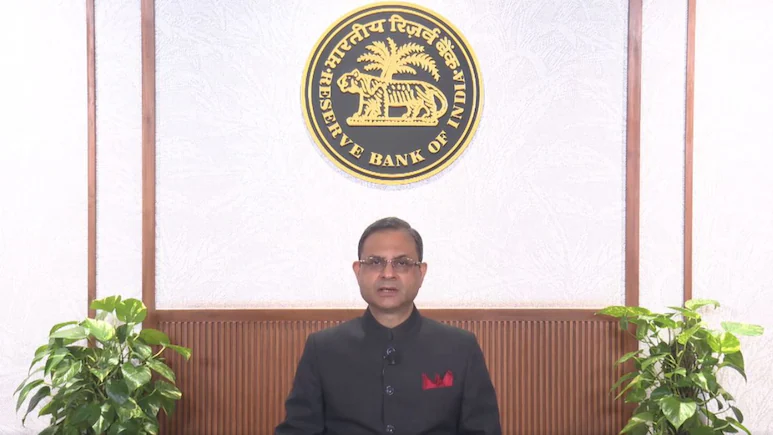
The RBI on December 5 announced a 25-basis-point cut in the repo rate, which now stands at 5.25% from 5.50% earlier. This move was approved by the Monetary Policy Committee unanimously. This reduction adds to the cumulative cuts the central bank has delivered through 2025 so far, which totals 125 basis points since the beginning of this year.
This unwinding of monetary policy came at a time when the retail inflation had slipped sharply. The Consumer Price Index inflation for October plunged to 0.25%, far below RBI’s target. With the pressure on prices significantly easing, the central bank saw room to soften monetary policy and support the overall economic conditions.
How It Affects Borrowers And The Economy
A cut in the repo rate implies that banks can borrow from the RBI at lower costs. This, in turn, could persuade lenders to pass on the benefit by reducing interest rates on home, auto, and personal loans — which translates into smaller EMIs for consumers. It may also help borrowers repay loans faster, boosting credit demand.
However, this trend generally affects depositors because the interest that is offered for fixed deposits and savings instruments would fall together with the decline in the lending rate. Therefore, returns to savers through traditional interest-bearing products may be reduced accordingly.
More broadly, the RBI hopes that stronger liquidity conditions and lower borrowing costs will stimulate economic activity. The central bank now projects 7.3% GDP growth for India in 2025–26. Spending and investment, therefore, are expected to increase in the coming months, supported by stable inflation and cheaper credit.
Additional Moves And Monetary Setting
Along with the repo rate cut, the RBI also realigned both the SDF and MSF rates to maintain smooth liquidity in the banking system. The central bank announced buying bonds worth ₹1 lakh crore through open market operations, aimed at steadying credit flows and strengthening financial markets.
Officials termed the current economic backdrop of India as a “Goldilocks phase” characterized by low inflation, adequate liquidity, and dependable growth. Although external risks are still present, the signals from the RBI were confident in the economic outlook, with the emphasis on its readiness to support stability and expansion.