
India’s Community Kitchens Expand to Tackle Urban Hunger and Social Isolation
Grassroots initiatives and government support combine to provide affordable meals and rebuild community bonds

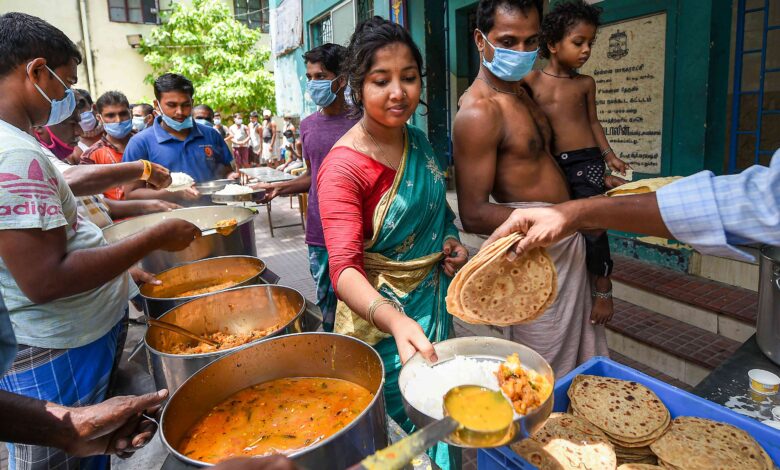
In a significant social development aimed at addressing urban hunger and growing social isolation, community kitchens across Indian cities are witnessing rapid expansion in early 2026. What began as small, volunteer-driven efforts during past economic disruptions has now evolved into a structured social safety net supported by municipal bodies, non-profit organisations, and women-led self-help groups.
These community kitchens provide nutritious meals at highly subsidised rates—or free of cost—to daily wage workers, elderly citizens living alone, migrant labourers, and homeless populations. In cities such as Delhi, Mumbai, Bengaluru, Kolkata, and Hyderabad, hundreds of kitchens now operate daily, serving thousands of meals prepared under basic nutritional guidelines.
Urban planners and social workers note that the issue is no longer limited to poverty alone. Rising food prices, irregular employment, and shrinking family structures have left many city residents struggling to access regular meals. Senior citizens and migrant workers, in particular, are vulnerable to both food insecurity and social loneliness. Community kitchens have emerged as spaces that address both challenges simultaneously.A notable feature of this expansion is the leadership role played by women’s self-help groups. Many kitchens are managed by local women trained in hygiene standards, budgeting, and large-scale cooking. This model not only ensures sustainability but also creates steady income opportunities for women from economically weaker backgrounds. Several state governments have begun providing raw materials, cooking gas subsidies, and rent-free spaces to encourage this participation.
Municipal corporations in multiple states have also integrated community kitchens into broader urban welfare programs. Some kitchens are now linked with food banks,surplus food redistribution networks, and local farmers’ cooperatives, reducing food waste while improving access to fresh ingredients. Digital monitoring systems are being introduced to track meal quality, footfall, and fund utilisation, increasing transparency and public trust.
Beyond food, these kitchens have become informal social hubs. Volunteers often organise health check-ups, legal awareness sessions, and skill-training workshops at kitchen sites. For many beneficiaries, the daily meal also offers human interaction and dignity—an often overlooked aspect of urban well-being.Social policy experts believe that if sustained funding and community participation continue, community kitchens could become a permanent feature of India’s urban social infrastructure. As cities grow denser and more complex, such people-centric solutions are increasingly seen as essential to building inclusive and resilient urban societies.