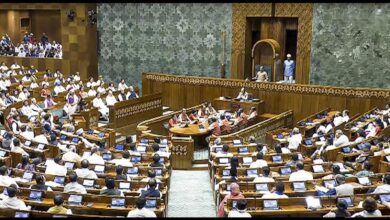

Opposition Bloc Stages Walkout Over Digital Media Regulation Bill 2026
Government Defends Proposal as Safeguard Against Misinformation


New Delhi, February 24, 2026:
Political tensions escalated in the national capital on Tuesday after opposition parties staged a coordinated walkout from the Lok Sabha during a heated debate on the proposed Digital Media Regulation Bill, 2026. The legislation seeks to introduce a structured compliance framework for online news platforms and large social media intermediaries operating in India.
The government described the bill as a “necessary modernization” of regulatory standards in the digital era. Speaking in the House, the Minister for Information and Broadcasting stated that the proposal aims to curb misinformation, enhance accountability, and ensure grievance redressal mechanisms for citizens affected by online content.
According to the draft provisions, digital publishers above a specified revenue threshold would be required to register with a statutory authority and adhere to a code of ethics. Platforms would also need to establish faster complaint resolution systems and submit periodic transparency reports.
However, opposition leaders criticized the bill as overly broad and warned that it could undermine press freedom. Members from several regional and national parties demanded that the proposal be referred to a parliamentary standing committee for detailed scrutiny. During the debate, slogans were raised, and proceedings were briefly adjourned before opposition members exited the chamber in protest.
In the Rajya Sabha, similar concerns were echoed, with some lawmakers calling for clearer definitions within the bill to prevent misuse. Civil liberties groups have also urged safeguards to ensure that independent journalism is not adversely affected.
The government maintained that the draft was prepared after consultations with stakeholders, including representatives from the Ministry of Information and Broadcasting and digital industry associations. Officials indicated openness to “constructive amendments” but ruled out withdrawing the legislation.
Political analysts suggest that the bill may become a key issue in upcoming electoral campaigns, especially as digital platforms play an increasingly central role in political communication.
As discussions continue, the Digital Media Regulation Bill stands at the center of a broader national conversation about balancing free expression with accountability in India’s rapidly evolving digital ecosystem.