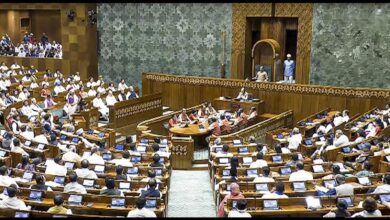

Election Commission Pushes for Nationwide Remote Voting Pilot
Political Parties Divided as Electoral Reforms Enter a Crucial Phase

New Delhi, 9 February 2026:
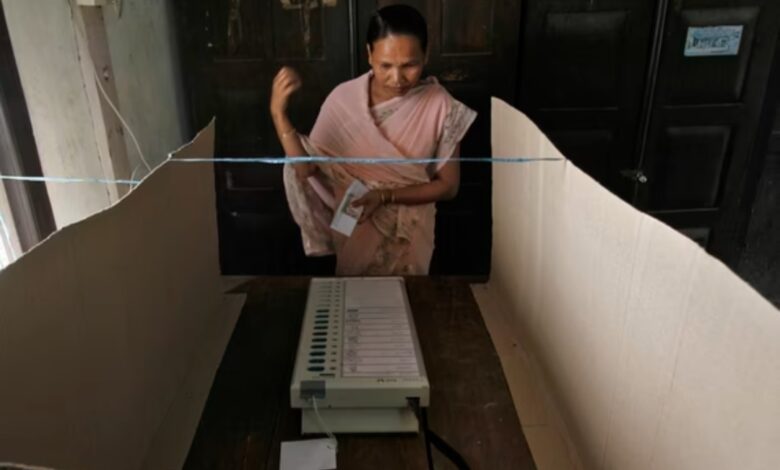
The Election Commission of India (ECI) has renewed political debate by announcing plans to expand pilot testing of a nationwide remote voting system, aimed at enabling migrant voters to participate in elections from outside their home constituencies. The proposal, positioned as a major electoral reform, has sparked mixed reactions across the political spectrum.
According to officials, the initiative is designed to address declining voter turnout among internal migrants, particularly those working in urban centres far from their registered constituencies. The Commission stated that technological safeguards, transparency, and verifiability would remain central to the pilot phase, which is expected to involve limited constituencies under strict supervision.
Ruling party leaders have welcomed the move, calling it a progressive step toward inclusive democracy. They argue that millions of citizens are currently disenfranchised due to economic migration and that modern electoral systems must evolve to reflect changing social realities. Supporters also point out that higher participation could strengthen the legitimacy of electoral outcomes.
However, opposition parties have expressed concerns regarding data security, potential misuse, and the possibility of influencing voters outside traditional polling environments. Several leaders have demanded wider political consultations before any large-scale rollout, insisting that electoral reforms must be built on consensus rather than unilateral decisions.
Political analysts believe the timing of the announcement is significant. With multiple state elections expected later in the year, any change to the voting process is likely to be scrutinised closely for political advantage. Experts note that while the proposal is still at an experimental stage, it could redefine campaign strategies and voter outreach if implemented in the future.The Election Commission has clarified that the remote voting system will not replace conventional polling but would act as an additional facility. Civil society groups have urged the Commission to conduct public demonstrations and release detailed technical documentation to build trust among voters.
As discussions continue, the proposal has once again placed electoral reform at the centre of India’s political discourse. Whether the initiative becomes a landmark reform or remains a pilot project will depend on political consensus, technological reliability, and public confidence in the democratic process.