

Parliament Clears Electoral Transparency Bill Ahead of 2026 State Polls.
New legislation aims to strengthen campaign finance rules and restore public trust in the electoral process

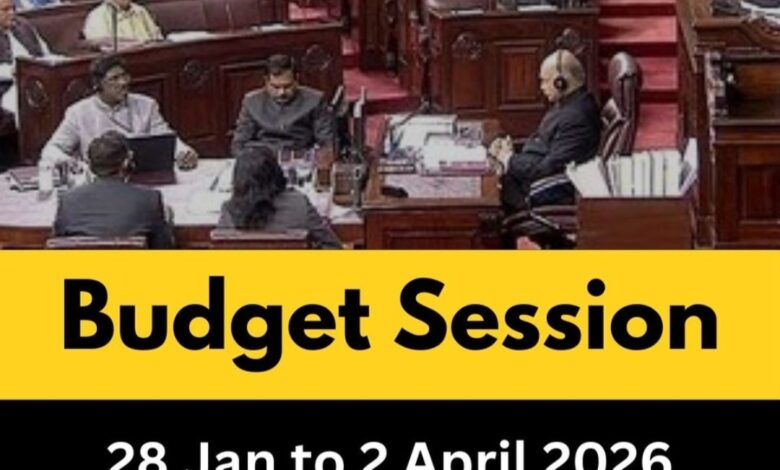
In a significant political development ahead of a crucial election year, the Indian Parliament on Thursday passed the Electoral Transparency and Accountability Bill, 2026, marking a major step toward reforming campaign finance and political disclosures. The Bill was cleared after a lengthy debate in both Houses, with the government calling it a “long-overdue correction” to strengthen democratic institutions.
The proposed law introduces stricter disclosure norms for political parties, including real-time reporting of donations above a specified threshold and mandatory annual audits by an independent electoral authority. According to the government, these measures are designed to curb the influence of unaccounted money in elections and ensure a level playing field for all parties.
Introducing the Bill in the Lok Sabha, the Union Law Minister said the reforms would “empower voters with information and reinforce faith in the democratic process.” He added that transparency, not political convenience, must guide electoral practices in the world’s largest democracy. The ruling coalition argued that the legislation aligns India with global best practices in political funding oversight.
However, the Bill also faced sharp criticism from sections of the opposition. Several leaders expressed concerns that certain provisions could be misused to target smaller parties and regional outfits. They demanded stronger safeguards to prevent selective scrutiny and called for the inclusion of an all-party oversight committee. Despite objections, the Bill was passed with a comfortable majority after minor amendments were accepted in the Rajya Sabha.
Political analysts see the move as strategically important, especially with multiple state elections scheduled later in 2026. Experts believe the law could reshape campaign strategies by encouraging cleaner funding sources and reducing dependence on opaque donations. Civil society organizations and election reform advocates largely welcomed the decision, describing it as a “positive signal” for democratic accountability.
Outside Parliament, reactions were mixed. While urban voters and youth groups praised the emphasis on transparency, some grassroots party workers voiced apprehension about increased compliance burdens. The Election Commission is expected to issue detailed guidelines on implementation within the next three months.As India prepares for an intense political calendar, the passage of the Electoral Transparency and Accountability Bill underscores a broader push to modernize democratic governance. Whether the law delivers its intended impact will depend largely on enforcement and political will across party lines.