
Former Bangladesh Prime Minister Khaleda Zia Passes Away at 80
BNP chief and Bangladesh’s first woman prime minister leaves behind a complex political legacy and a nuanced India-Bangladesh relationship

End of an Era in Bangladesh Politics and Regional Diplomacy
Begum Khaleda Zia died at age 80. Begum Khaleda Zia had been receiving care in Dhaka for complications and had spent weeks in hospital. Bangladesh Nationalist Party (BNP) confirmed Begum Khaleda Zias death. Bangladesh Nationalist Party (BNP) confirmation caused condolences, from leaders across South Asia. I have followed Begum Khaleda Zias career for years and Begum Khaleda Zias death feels like the close of an era. Begum Khaleda Zias death marks the end of a chapter, in Bangladeshs political journey.
I remember Zia made history as Bangladesh’s prime minister. Zia served two terms from 1991–1996 and, from 2001–2006. Zia was the chairperson of the BNP. Zia played a role in bringing back the democracy after years of military rule. Zia’s long rivalry, with Sheikh Hasina shaped the politics for years. Zia and Sheikh Hasina fought over the governance, the elections and the policy debates. Zia and Sheikh Hasina’s strong competition also affected the stance of Bangladesh.
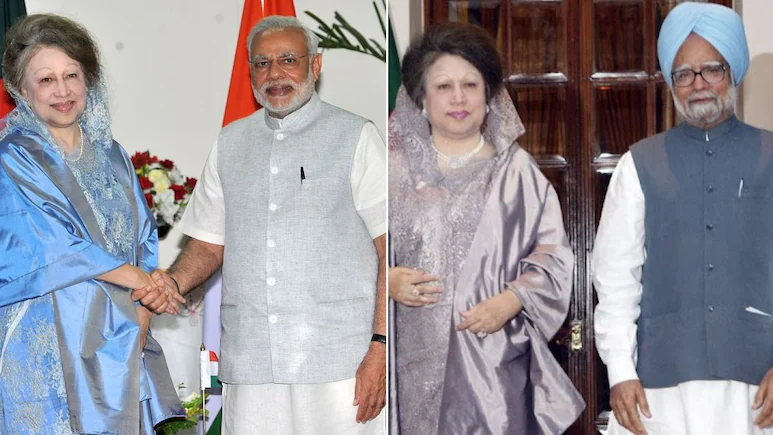
In India-Bangladesh relations Khaleda Zias approach changed over time. During Khaleda Zias years, in office Khaleda Zia took a guarded stance toward New Delhi. Khaleda Zia often voiced doubts about transit routes, about connectivity and about cooperation. Later Khaleda Zia chose to work with New Delhi in selected areas. Khaleda Zia focused on trade on border management and, on counter‑terrorism. Khaleda Zias actions showed a shift when the region needed stability.
Following her demise, Indian Prime Minister Narendra Modi conveyed condolences, acknowledging her role in Bangladesh’s political development and bilateral engagement with India. While her policies toward India were sometimes cautious, Khaleda Zia remains a significant regional leader whose decisions left a lasting impact on diplomacy, domestic politics, and South Asian relations.