

India Rolls Out Nationwide EV Charging Expansion to Accelerate Clean Mobility
Government clears integrated plan to install fast-charging stations across highways, cities, and rural corridors by 2028

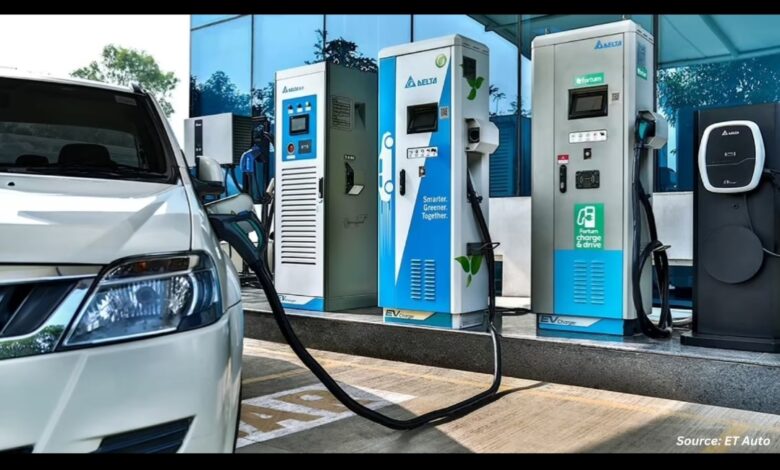
In a major push toward sustainable transportation, the Government of India has approved a comprehensive national plan to significantly expand electric vehicle (EV) charging infrastructure across the country. The initiative aims to address one of the biggest barriers to EV adoption—charging accessibility—while supporting India’s long-term climate and energy security goals.
Under the plan, more than 70,000 new public charging stations will be installed over the next three years, covering national highways, state roads, urban centers, and select rural clusters. Priority will be given to high-traffic transport corridors, logistics hubs, and Tier-2 and Tier-3 cities where EV adoption is growing but infrastructure remains limited.
Officials said the expansion will follow a hub-and-spoke model, ensuring fast-charging availability every 50 to 60 kilometers on major highways. Urban areas will see a mix of fast and slow chargers integrated into metro stations, public parking facilities, shopping complexes, and government buildings. For rural regions, the government plans to partner with local bodies and cooperatives to deploy community-based charging points.The program will be implemented through a public-private partnership framework. Private companies will receive financial incentives, land-use support, and simplified approvals to set up and operate charging stations. Domestic manufacturing of charging equipment will also be encouraged, aligning the project with the “Make in India” initiative.
Transport and energy experts have welcomed the move, calling it a critical step toward reducing oil imports and cutting urban air pollution. According to government estimates, transport-related emissions could be reduced substantially if EV penetration crosses 30 percent by the end of the decade. The initiative is also expected to generate employment across sectors such as electrical manufacturing, civil construction, software services, and maintenance. Startups working on smart charging solutions, battery management systems, and renewable energy integration are likely to benefit from the increased demand.
Consumer groups have responded positively but emphasized the need for transparent pricing and reliable power supply to ensure user confidence. In response, authorities confirmed that a national charging tariff guideline and real-time availability app are under development.With this rollout, India signals its intent to move decisively toward cleaner mobility, balancing environmental responsibility with economic growth and technological innovation.