
Baramulla: A Haunting Tale Where Kashmir’s Pain Meets the Supernatural
Manav Kaul turns in a riveting performance in this supernatural thriller, pivoting between mystery, politics, and ghosts from the troubled past of Kashmir.

When the silence of the valley speaks volumes.
Aditya Suhas Jambhale’s Baramulla transforms the picturesque beauty of Kashmir into a chilling landscape of secrets and sorrow. It starts off with the disappearance of a child during a magic show; the MLA’s son seems to have vanished into thin air. In no time, DSP Ridwaan Sayyed, essayed by Manav Kaul, reaches Baramulla along with his wife, played by Bhasha Sumbli, and his daughter, Arista Mehta, for a fresh beginning. But their house holds more than memories – it holds the ghosts of the valley’s past.
As Ridwaan delves deeper into the case of missing children, strange symbols, whispers in the dark, and recurring white tulips point to something well beyond logic. The supernatural mystery unfolds against the shadow of Kashmir’s history: its displacement, fear, and unresolved pain. The film uses ghosts intelligently, not just as part of a horror trope but as symbolic of the people and memories lost amidst political turmoil.
Manav Kaul leads the story with quiet intensity as he plays a man tormented by his past and pulled into a spiral of guilt and redemption. His emotional depth provides the core strength to the film, whereas Sumbli and Mehta add warmth and humanity in this otherwise eerie setting.
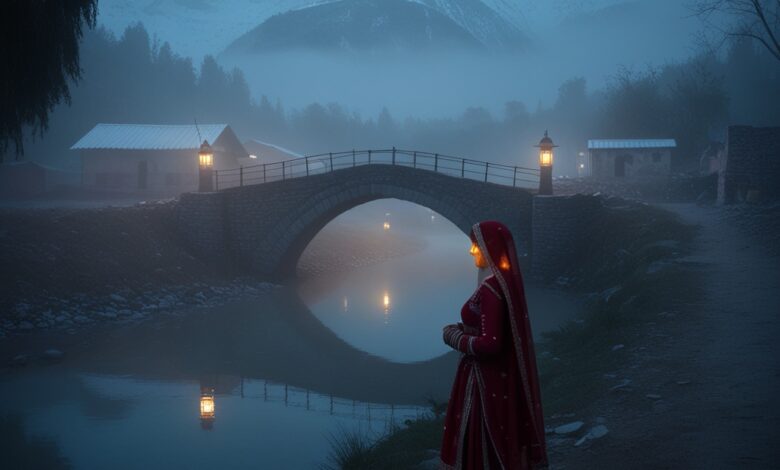
Visuals in Baramulla are breathtakingly beautiful-snowcapped mountains, fog-soaked woods, and dark corridors create an aura of beauty and fear.
The first half develops an engrossing atmosphere of suspense, while the second half falters somewhat as it tries to tie the supernatural together with political commentary. Some plot threads are left loose, but its ambition is undeniable. In the end, Baramulla isn’t about ghosts; it is about a wounded land that remembers everything. Similarly, the film reminds its audience that some spirits remain with people not to frighten them but in order to be heard by them through its haunting visuals and layered emotions.