

Cloudflare Faces December 5, 2025 Outage Affecting Global Web Traffic
A configuration error takes nearly one-third of Internet requests down, pushing major online platforms offline

Breakdown of the Incident
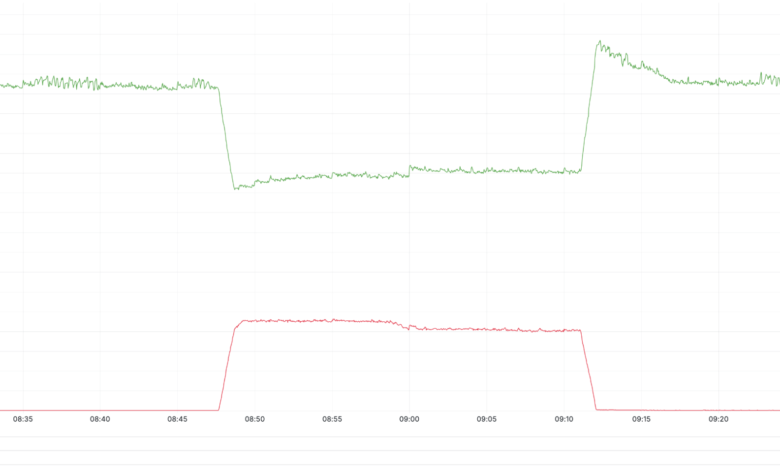
On December 5, 2025, at 08:47 UTC, Cloudflare suffered a far-reaching network disruption when a large portion of its infrastructure ceased to operate properly. An estimated 28% of all HTTP traffic routed through the company was no longer accessible, affecting business and users worldwide.
The issue had to do with a configuration update to Cloudflare’s Web Application Firewall. That update was meant to mitigate a newly discovered vulnerability with React Server Components. While increasing the internal HTTP request buffer limit wasn’t problematic, disabling an internal testing tool inadvertently triggered a longtime bug in Cloudflare’s older FL1 proxy layer. This caused Lua execution failures and many servers began returning HTTP 500 errors.
Engineers quickly identified the misconfiguration and rolled back the changes at 09:12 UTC, restoring full service in just 25 minutes. Despite being quite short, this disruption was very noticeable on the web because of the Cloudflare global scale and the influence on the Internet traffic worldwide.
During the outage, a number of high-profile sites — including Zoom, LinkedIn, and Canva, and even outage-tracking portals themselves — became unreachable for many users. The incident generated frustration online, particularly as it came only weeks after another major Cloudflare breakdown in mid-November 2025. Critics are arguing that these frequent outages are increasing fears over the reliance by major online services on a single infrastructure provider.
Cloudflare executives publicly apologized for the fact that the company had disrupted essential web services yet again. They promised a detailed follow-up that focused on ways to better provide system isolation, enhance rollout procedures, and improve protections against hidden bugs in legacy systems. Cloudflare said reliability is very important to the company and ensuring stability remains its highest priority.0